
How Much Does It Really Cost to Develop a Fitness App in 2026
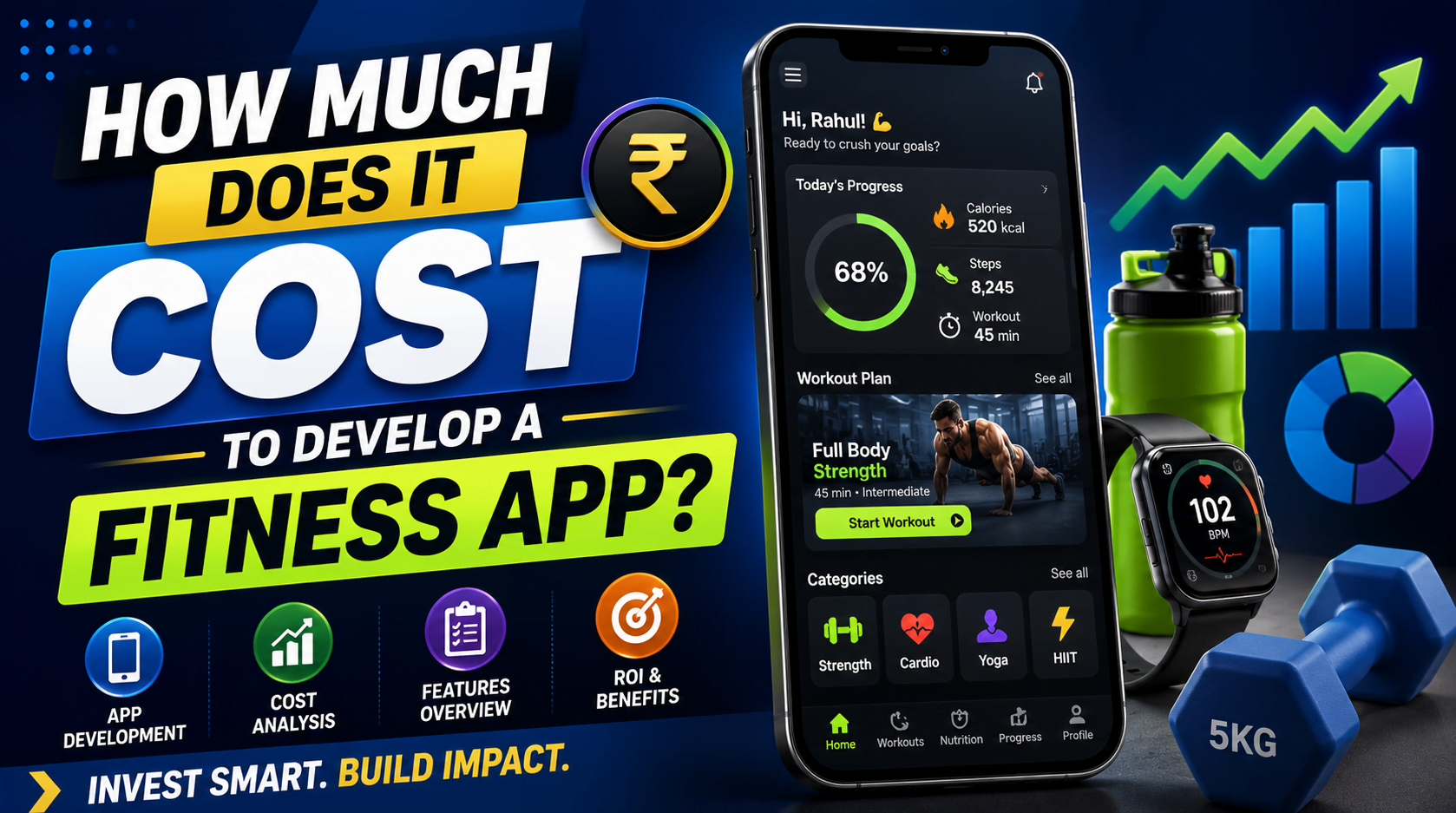
The increasing popularity of remote workouts, wearable devices, personalized training programs, and AI-driven health insights has created enormous opportunities for businesses looking to enter the fitness technology market. Whether you're a startup launching a wellness platform, a gym expanding its digital services, or a healthcare company developing a patient engagement solution, investing in a fitness app can open new revenue streams and strengthen customer relationships.
Before starting development, however, one critical question arises: How much does it cost to create a fitness app?
The investment required depends on numerous factors, including application type, feature set, supported platforms, user experience design, cloud infrastructure, wearable connectivity, and emerging technologies such as artificial intelligence and machine learning. While a simple workout tracking application may require a relatively modest budget, a comprehensive fitness ecosystem featuring personalized coaching, real-time analytics, and smartwatch synchronization can require significantly larger investments.
This guide explores fitness app development costs, must-have features, technology requirements, monetization strategies, market trends, and the factors that influence project budgets.
The Growing Demand for Fitness Applications
Health and wellness have become top priorities for consumers worldwide. Mobile technology has made it easier than ever for users to monitor physical activity, track nutrition, participate in virtual workouts, and receive personalized fitness guidance.
Several market trends continue to drive the expansion of fitness applications:
- Increased adoption of smartphones and connected devices
- Growing interest in preventive healthcare
- Rising popularity of home-based fitness programs
- Expansion of wearable technology ecosystems
- Personalized wellness experiences powered by AI
- Demand for real-time health insights and analytics
- Growth of digital coaching and virtual training services
Today, fitness applications are utilized by a wide range of organizations, including fitness centers, personal trainers, wellness startups, sports organizations, healthcare providers, corporate wellness programs, and nutrition brands.
As competition intensifies, businesses must focus on innovation, seamless user experiences, intelligent recommendations, and scalable architecture to differentiate their products in the marketplace.
Popular Categories of Fitness Applications
The overall development budget largely depends on the type of fitness solution being developed. Different app categories require unique functionality, integrations, and backend infrastructure.
1. Workout and Training Applications
Workout-focused apps help users follow structured exercise programs, access instructional content, and monitor training progress.
Typical Features
- Exercise libraries
- Video-based training sessions
- Personalized workout schedules
- Progress tracking dashboards
- Goal management tools
- Daily reminders
Estimated Development Cost
₹5 Lakhs – ₹15 Lakhs
2. Fitness Tracking Applications
Activity tracking platforms record movement data and physical performance metrics through smartphones and connected wearables.
Typical Features
- Step counting
- Running and cycling tracking
- GPS route monitoring
- Calorie expenditure calculation
- Heart-rate monitoring
- Fitness score analytics
Estimated Development Cost
₹8 Lakhs – ₹22 Lakhs
3. Nutrition and Diet Management Apps
These applications help users improve eating habits through meal planning and nutritional analysis.
Typical Features
- Food logging
- Calorie management
- Meal recommendations
- Water intake tracking
- Barcode-based food scanning
- Nutritional reporting
Estimated Development Cost
₹7 Lakhs – ₹20 Lakhs
4. Online Coaching Platforms
Coaching apps connect users directly with fitness professionals, trainers, nutritionists, and wellness experts.
Typical Features
- Live video consultations
- Direct messaging
- Appointment booking
- Membership management
- Customized training programs
- Performance reporting
Estimated Development Cost
₹10 Lakhs – ₹30 Lakhs
5. Mindfulness and Wellness Applications
Mental wellness has become a major segment within the digital fitness industry.
Typical Features
- Guided meditation sessions
- Breathing exercises
- Sleep monitoring
- Mood tracking
- Audio streaming
- Wellness journals
Estimated Development Cost
₹8 Lakhs – ₹25 Lakhs
Core Features Required in a Fitness App
Every successful fitness application includes a combination of user management, activity tracking, personalization, and engagement tools.
User Accounts and Personal Profiles
A secure profile system allows users to:
- Create and manage accounts
- Define health objectives
- Store personal preferences
- Monitor progress over time
- Synchronize fitness data
Exercise Monitoring and Progress Tracking
This functionality forms the foundation of most fitness platforms.
Features often include:
- Workout logging
- Activity history
- Daily performance tracking
- Goal completion monitoring
- Progress visualization
Modern businesses frequently partner with experienced mobile application development companies to build highly responsive tracking systems capable of processing large volumes of user-generated health data.
Push Notification System
Engagement is critical for user retention.
Common notification types include:
- Workout reminders
- Hydration alerts
- Goal achievements
- Motivational messages
- Promotional campaigns
- Subscription renewals
Community and Social Engagement Features
Social interaction encourages long-term participation and accountability.
Popular community features include:
- Fitness challenges
- Achievement badges
- Rankings and leaderboards
- Friend connections
- Community forums
- Social sharing functionality
Payment and Subscription Management
Most fitness businesses rely on recurring revenue models.
Essential payment features include:
- Subscription plans
- Membership management
- Secure payment gateways
- Promotional coupons
- In-app purchases
- Billing history
Why Wearable Device Integration Matters
Wearable technology has become a fundamental component of modern fitness ecosystems. Modern users expect fitness apps to connect effortlessly with wearable devices and health tracking technologies.
Connected devices can capture valuable health metrics such as:
- Heart rate
- Daily steps
- Calories burned
- Sleep quality
- Blood oxygen levels
- Activity intensity
- Recovery indicators
Popular integrations include:
- Apple Health
- Google Fit
- Fitbit
- Garmin Connect
- Samsung Health
- Polar
- Amazfit
Although wearable integration increases development complexity, it significantly improves user engagement, personalization, and data accuracy.
Artificial Intelligence in Fitness Applications
AI is reshaping digital fitness by delivering personalized experiences based on user behavior and health data.
Intelligent Workout Recommendations
AI algorithms evaluate:
- Fitness levels
- Activity history
- Body measurements
- Recovery status
- User objectives
Based on these inputs, applications generate personalized workout plans automatically.
Smart Nutrition Assistance
AI-powered nutrition tools can:
- Analyze dietary habits
- Recommend meal plans
- Estimate calorie intake
- Suggest healthier alternatives
- Monitor nutritional balance
Virtual Fitness Coaching
AI coaches can provide:
- Real-time workout guidance
- Automated motivation
- Personalized recommendations
- Exercise corrections
- Progress assessments
Predictive Health Analytics
Advanced systems can forecast:
- Recovery timelines
- Potential injury risks
- Exercise effectiveness
- User engagement patterns
- Long-term fitness outcomes
While AI enhances personalization and retention, it also contributes significantly to development costs due to model training, cloud infrastructure, and analytics requirements.
Conclusion
The fitness app industry continues to expand rapidly as consumers increasingly embrace digital solutions for health, wellness, and active lifestyles. From workout tracking and nutrition management to AI-powered coaching and wearable device integration, modern fitness applications offer businesses significant opportunities to engage users and create sustainable revenue streams.
The cost of developing a fitness app can vary considerably depending on factors such as app complexity, platform choice, feature requirements, third-party integrations, design sophistication, and advanced technologies like artificial intelligence and real-time analytics. While a basic fitness application may require a modest investment, building a feature-rich platform with personalized experiences, wearable connectivity, and scalable infrastructure demands a larger development budget.
To maximize return on investment, businesses should focus on delivering exceptional user experiences, robust security, seamless performance, and features that encourage long-term engagement. Careful planning, selecting the right technology stack, and prioritizing scalability from the outset can significantly reduce future development costs and support sustainable growth.
As technologies such as AI, machine learning, wearable devices, and predictive health analytics continue to evolve, fitness apps are becoming more intelligent, personalized, and data-driven than ever before. Organizations that invest in innovative fitness solutions today will be well-positioned to meet changing user expectations and gain a competitive advantage in the growing digital health ecosystem.
Whether you're launching a startup fitness platform, expanding a gym's digital presence, or building a comprehensive wellness solution, partnering with an experienced development team can help transform your vision into a successful, future-ready fitness application that delivers lasting value to both users and your business.